HVAC Repair in Post Falls, Idaho
Furnace repair, heat pump repair and AC repair in Post Falls and across Kootenai County. Emergency furnace repair when the heat quits.
Heating and Cooling Repair in Post Falls
Frontier HVAC Repair fixes furnaces, heat pumps and central air conditioners in Post Falls and in the towns around it: Coeur d'Alene, Hayden, Rathdrum, Spirit Lake and Dalton Gardens.
When a furnace stops heating, the cause is usually one part: an igniter that cracked, a flame sensor coated with residue, a pressure switch, an inducer or blower motor, or a control board. When a heat pump quits in winter, it is usually ice on the outdoor coil, a defrost board or a reversing valve. When central air quits on the first hot week of summer, it is usually a capacitor, a contactor or a condenser fan motor.
Post Falls homes are mostly young, so electronic controls fail more often than worn mechanical parts. Older houses in Coeur d'Alene and Dalton Gardens bring the opposite: tired blowers, metal flues and original ductwork.
- Gas furnaces80 and 90 plus efficiency, metal flue or PVC vent
- Electric furnacesHeating elements, sequencers, relays
- Air source heat pumpsWith electric backup heat strips
- Dual fuel systemsHeat pump paired with a gas furnace
- Central air and ductless unitsSplit system condensers and wall heads
Furnace, Heat Pump and AC Repair Services
Furnace Repair in Post Falls
Gas and electric furnaces that will not light, short cycle, blow cold air or lock out. Igniters, sensors, motors and boards.
Heat Pump Repair in Post Falls
Air source, dual fuel and ductless heat pumps: iced coils, defrost boards, reversing valves and backup heat.
AC Repair in Post Falls
Central air: capacitors, contactors, condenser fan motors, frozen coils and clogged condensate drains.
Emergency Furnace Repair in Post Falls
No heat in freezing weather: lockouts, failed igniters and blowers, snow-blocked vents and frozen drains.
Post Falls Winters and the Houses Here
| Fact | Number | Source |
|---|---|---|
| Heating degree days a year | about 6,317 | NOAA 1991 to 2020 normals |
| Cooling degree days a year | about 437 | NOAA normals, Coeur d'Alene station |
| Nights at or below freezing | about 120 a year | NOAA normals, Coeur d'Alene station |
| Average first and last freeze | October 17 and April 28 | Coeur d'Alene climate summary |
| Median year a Post Falls home was built | 2005 | Census data for Post Falls |
| Post Falls homes heated with gas | about 60 percent | Census ACS 2024 5-year data |
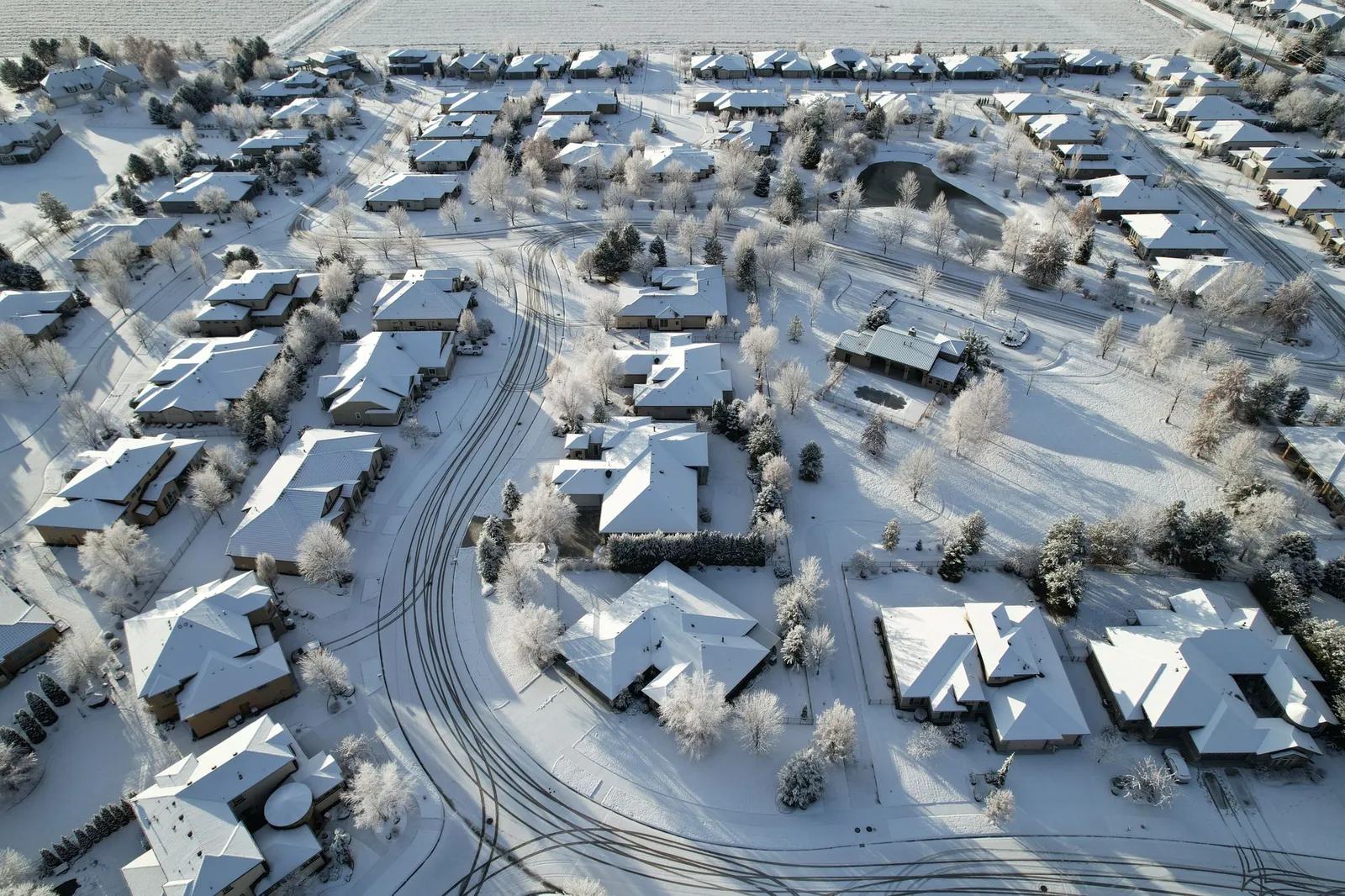
Those numbers explain most HVAC repairs in Post Falls. The heating season runs from mid-October into late April, and the heating load is about fourteen times the cooling load, so furnaces and heat pumps rack up long run times and wear out igniters, motors and capacitors. Heat pumps spend much of the winter running defrost cycles, which is why defrost controls and reversing valves fail here.
Post Falls is also young. Its population more than doubled between the 2000 and 2020 censuses (Post Falls population history), so most homes have high efficiency furnaces with electronic controls and PVC vents that snow can bury. Air conditioners sit idle most of the year and fail on the first hot days of July.
Service Area Around Post Falls
Every town below has its own page with its housing and the heating and cooling repairs its homes tend to need. The Post Falls service area page lists Post Falls neighborhoods and nearby communities.
- Coeur d'AleneOlder homes near downtown, newer ones across town
- Hayden1990s houses and lake homes
- RathdrumNew construction on the north prairie
- Spirit LakeGas, propane and wood stove backup heat
- Dalton GardensThe oldest homes in the area