Gas and Electric Furnace Repair in Post Falls
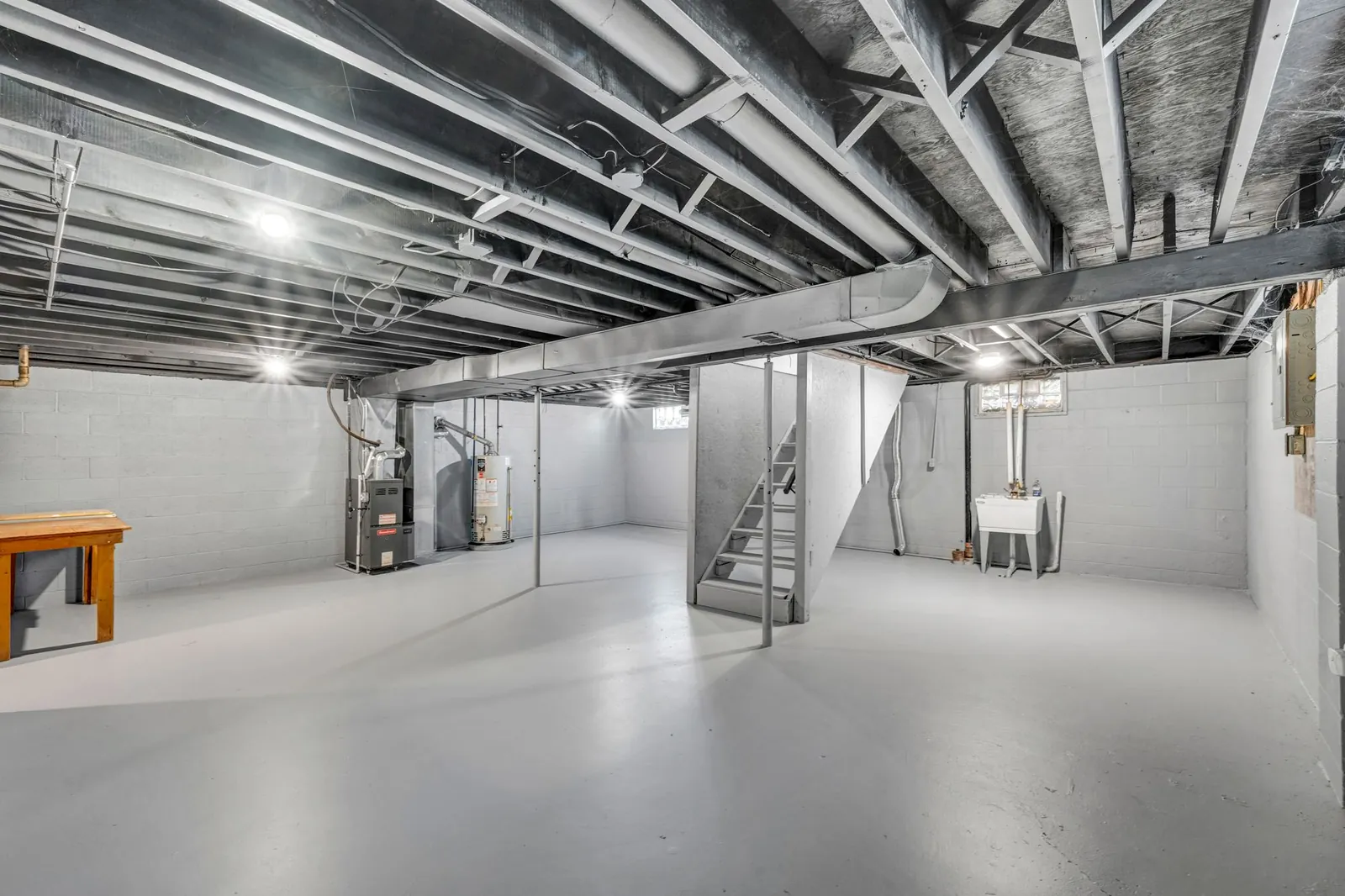
Gas heats about six in ten Post Falls homes and electricity most of the rest (Post Falls housing and heating data). In practice that means a forced-air gas furnace in a utility closet, garage or basement in most houses, and an electric furnace or a heat pump with an air handler in the rest. We repair both kinds, from 80 percent furnaces vented through a metal flue to 90 percent and higher condensing furnaces vented through white PVC pipe out the side wall or roof.
A furnace that stops heating has almost always lost one part in a chain. Furnace repair covers these parts:
- Hot surface igniters and spark igniters that crack or stop glowing
- Flame sensors coated with residue, so the burners light and shut off a few seconds later
- Inducer (draft) motors that hum, rattle or will not start
- Pressure switches and the small rubber hoses and ports that feed them
- Gas valves on furnaces that light poorly or not at all
- Blower motors, run capacitors, variable speed motor modules and dirty blower wheels
- Limit switches and flame rollout switches after an overheat
- Circuit boards, 24-volt transformers, blower door safety switches and thermostat wire
- Condensate traps, drain lines and pumps on high efficiency furnaces
- Heating elements, sequencers and relays in electric furnaces
Why North Idaho Winters Wear Out Furnace Parts
NOAA's 1991 to 2020 normals for Coeur d'Alene count about 6,317 heating degree days a year against about 437 cooling degree days (NOAA climate normals for Coeur d'Alene). A heating degree day is a measure of how much heating a building needs, so the heating load here is roughly fourteen times the cooling load. About 120 nights a year drop to freezing or below, and the average first freeze arrives around October 17 and the last one around April 28 (Coeur d'Alene climate summary).
The heating season runs from mid-October into late April. Igniters crack after thousands of cycles, inducer and blower motor bearings wear, and filters load up faster through a long winter. A clogged filter cuts airflow, the heat exchanger runs hot and the high limit switch shuts the burners off. Those wear parts are the usual cause of a furnace that quits in December or January, not the furnace as a whole.
Furnace Service for Newer Post Falls Homes
The median Post Falls home was built in 2005, and roughly six in ten were built in 2000 or later. Post Falls grew from about 17,000 people in 2000 to about 38,500 in 2020 (Post Falls population history), so most furnaces here are high efficiency units with electronic controls. Those furnaces fail differently from older ones: a flame sensor or pressure switch fault, a condensate trap that plugs, a cracked PVC fitting, or a control board that lost a relay. Their intake and exhaust pipes leave the house near ground level, where drifting snow can bury them and shut the furnace down.
Older homes in Dalton Gardens and near downtown Coeur d'Alene are a different job. Many still have 80 percent furnaces on original ductwork and metal flues, where a dirty blower, an undersized return or a worn draft inducer is more likely than a control fault.
Furnace Repair in Post Falls or Replacement
Most furnace failures are single parts, and a furnace in sound condition is worth repairing. Replacement comes up when the heat exchanger is cracked, when the same major part keeps failing, or when parts for an old furnace are no longer made. When the furnace and an air conditioner are both near the end, matching them as one system is worth considering. For the outdoor side of the system, see AC repair in Post Falls and heat pump repair. If the furnace is out in freezing weather, see emergency furnace repair.
We cover Post Falls and the towns around it, including Hayden, Rathdrum and Spirit Lake. The full list is on the service area page.